-
Ready to use today, electro-thermal energy storage (ETES) makes electrification more economically attractive for industry.
It captures renewable electricity and stores it as heat in simple materials like sand or rock. This gives factories a reliable, clean heat source even when energy prices spike. It also helps balance the power grid, cuts costs for industry and reduces the need for imported gas.
-
ETES cuts costs as renewables grow. Today, pairing it with existing heating systems is the most profitable approach.
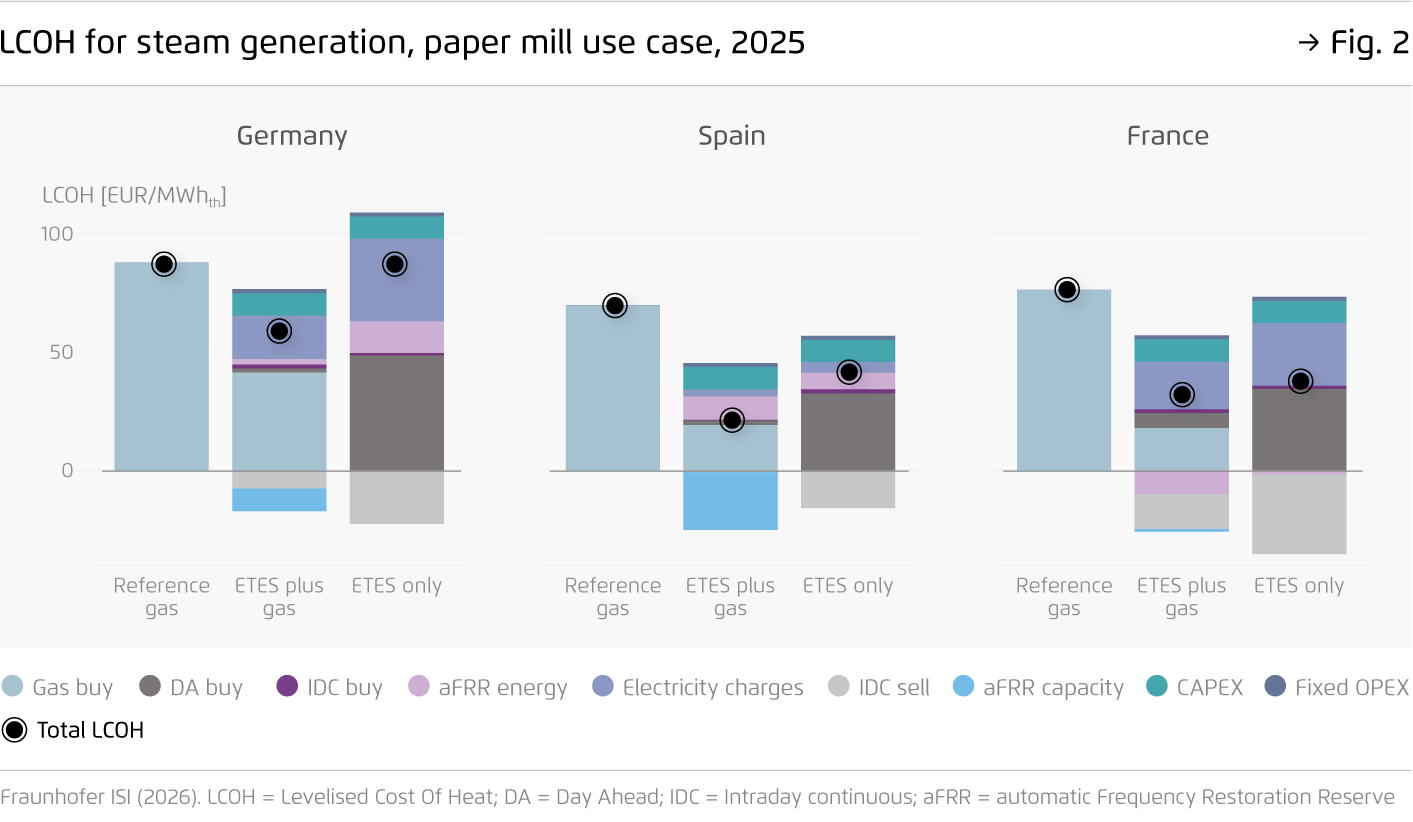
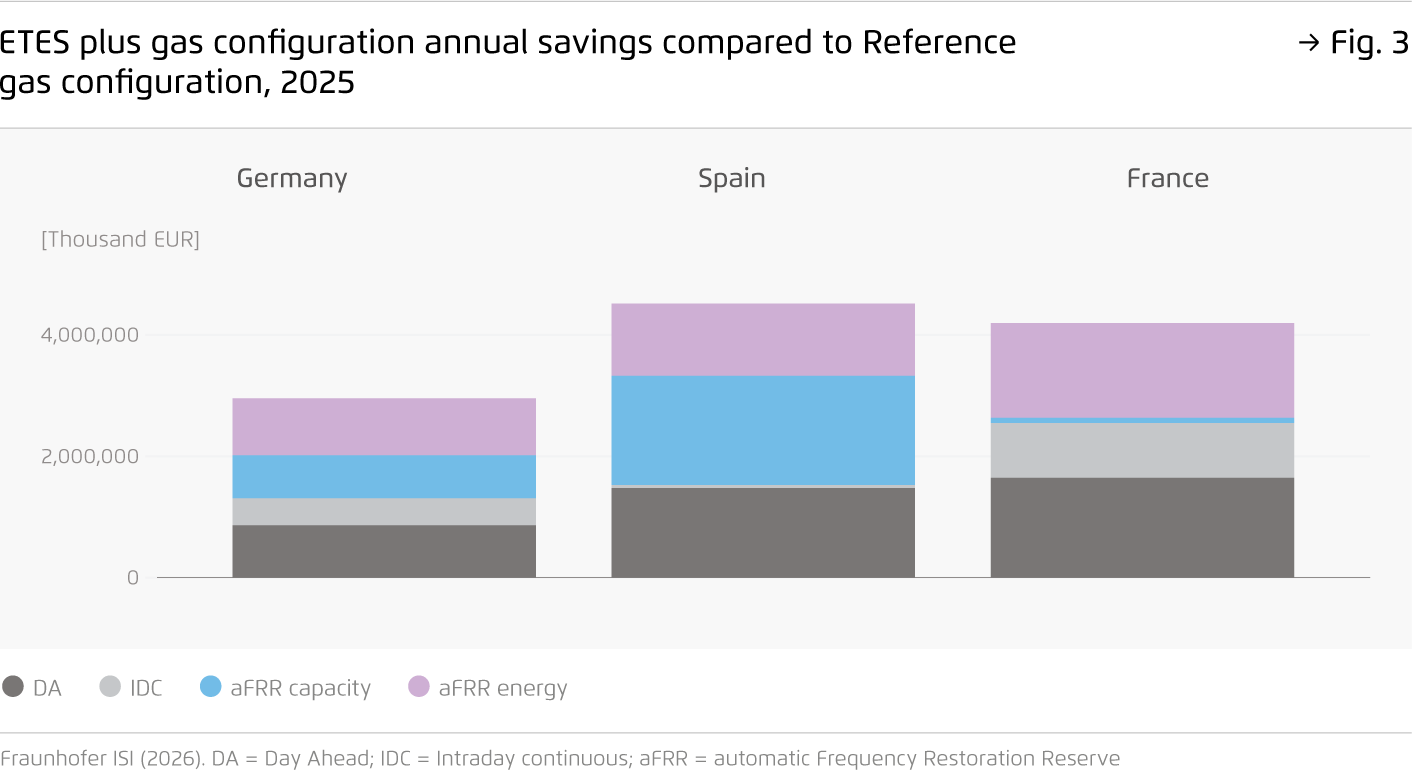
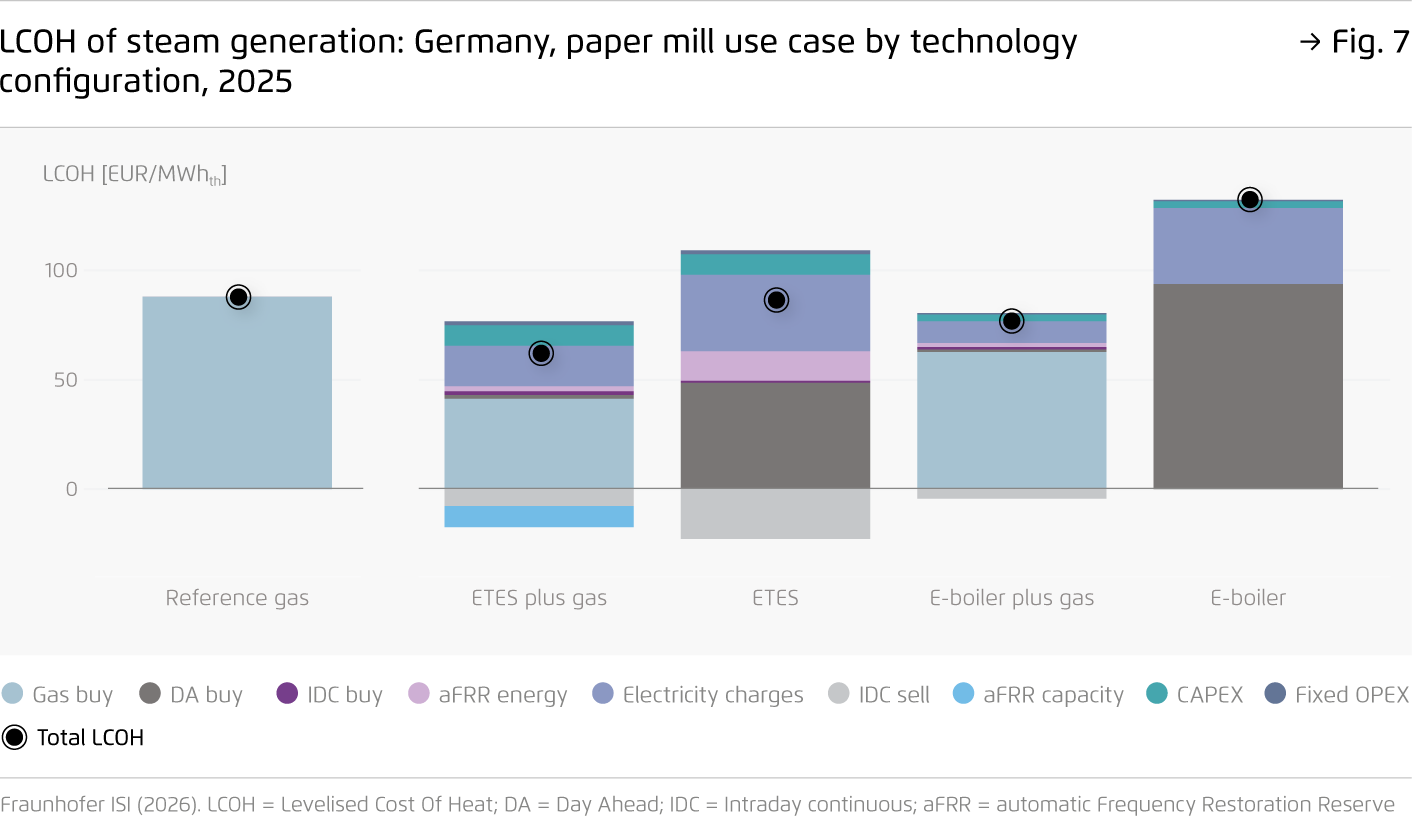
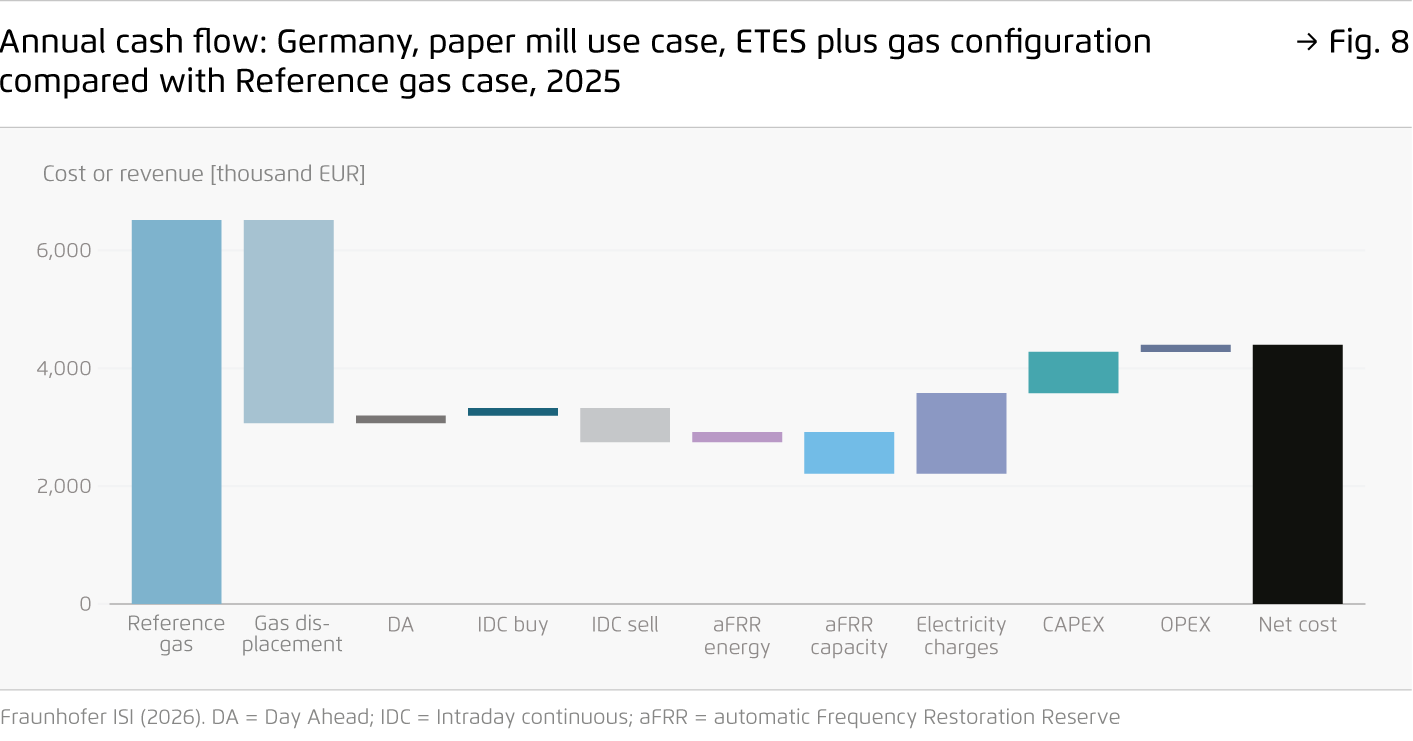
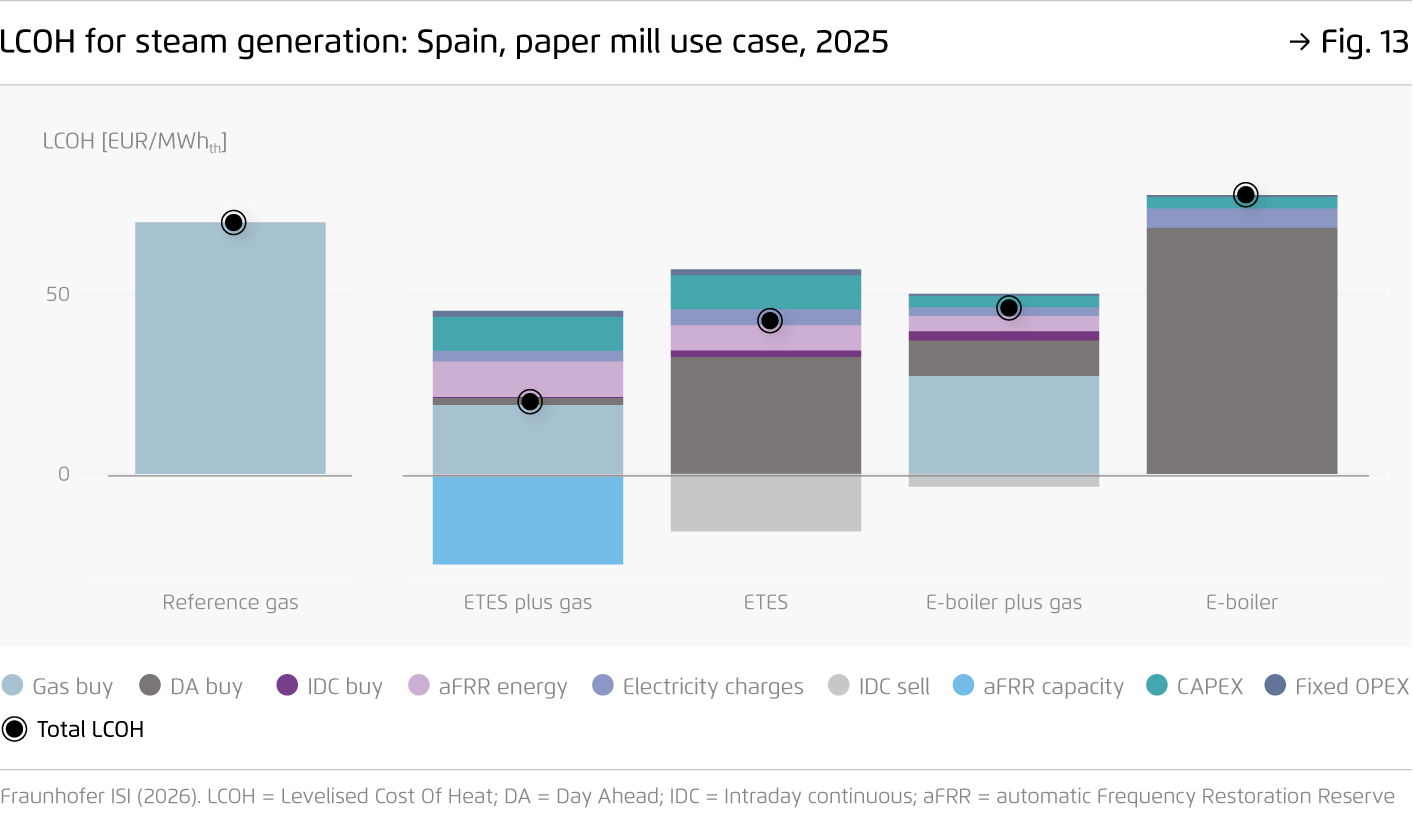
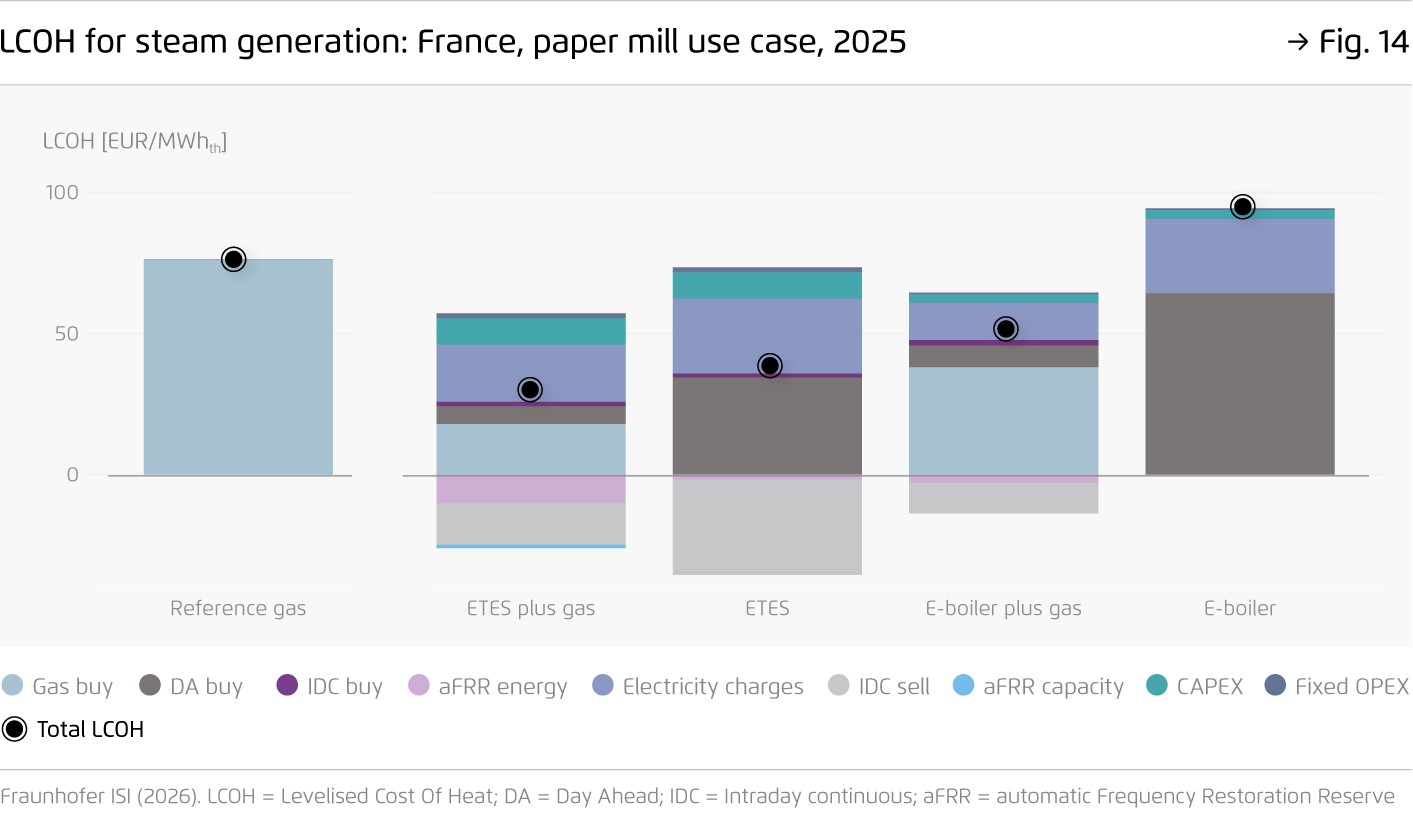
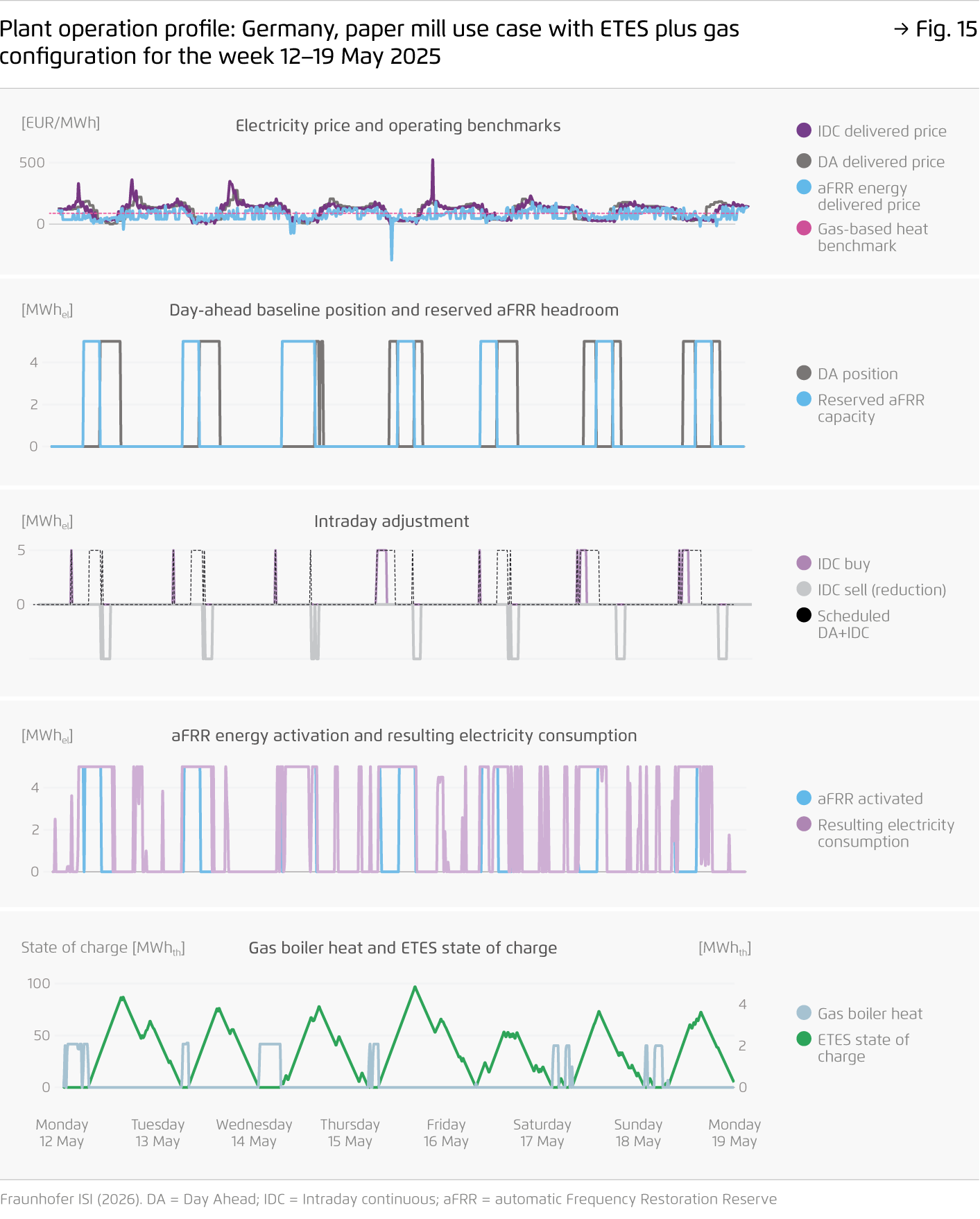
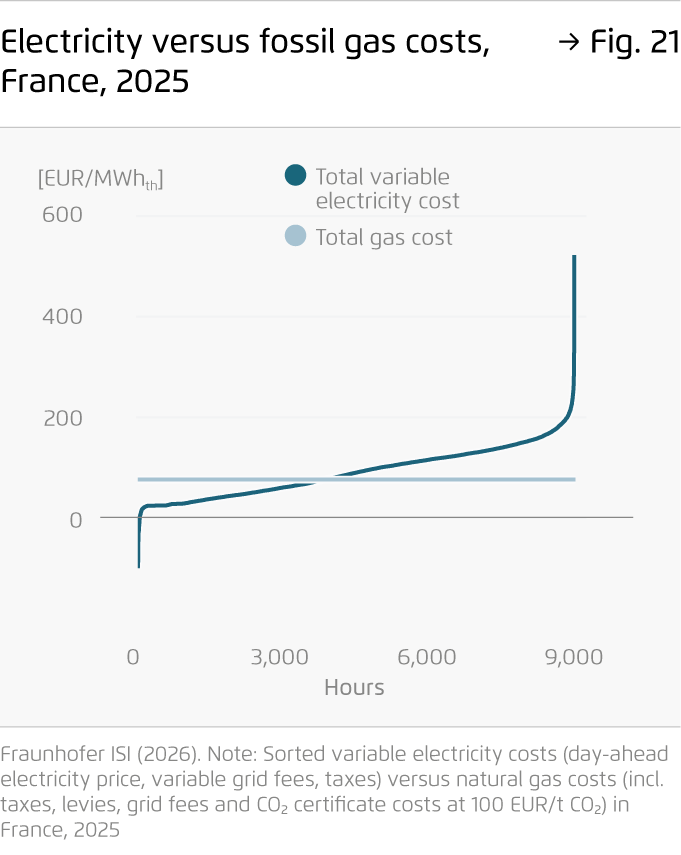
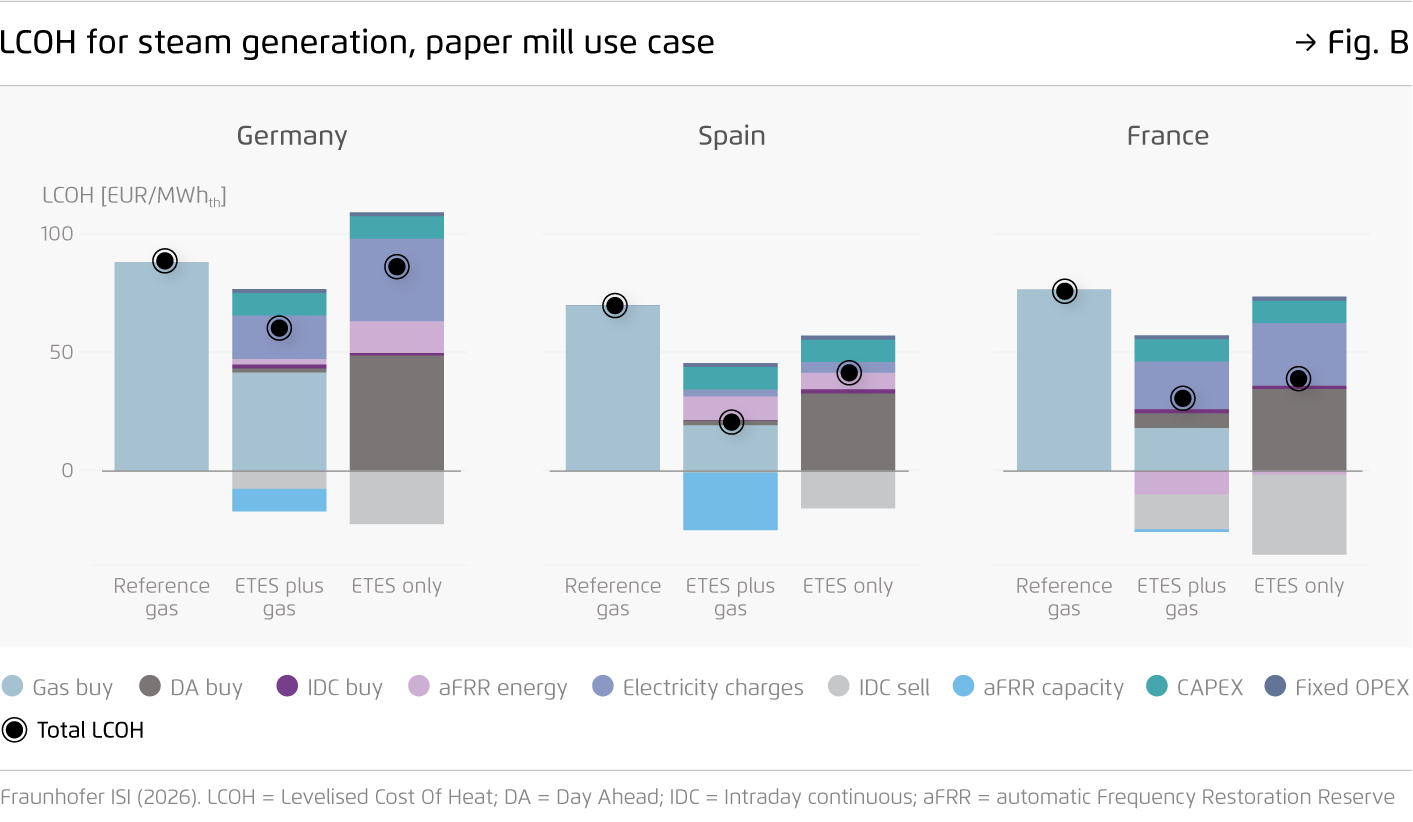
This combination can reduce heat costs by 30–70 percent while raising the share of electrification to 53–76 percent, depending on the region. Fully electric systems with ETES are becoming increasingly competitive, particularly in countries with high shares of clean power. Beyond the expansion of renewables, unlocking these savings requires proactive participation in the electricity market and smart energy management.
-
Upgrading industrial heat with ETES can significantly reduce fossil fuel dependence and lower emissions.
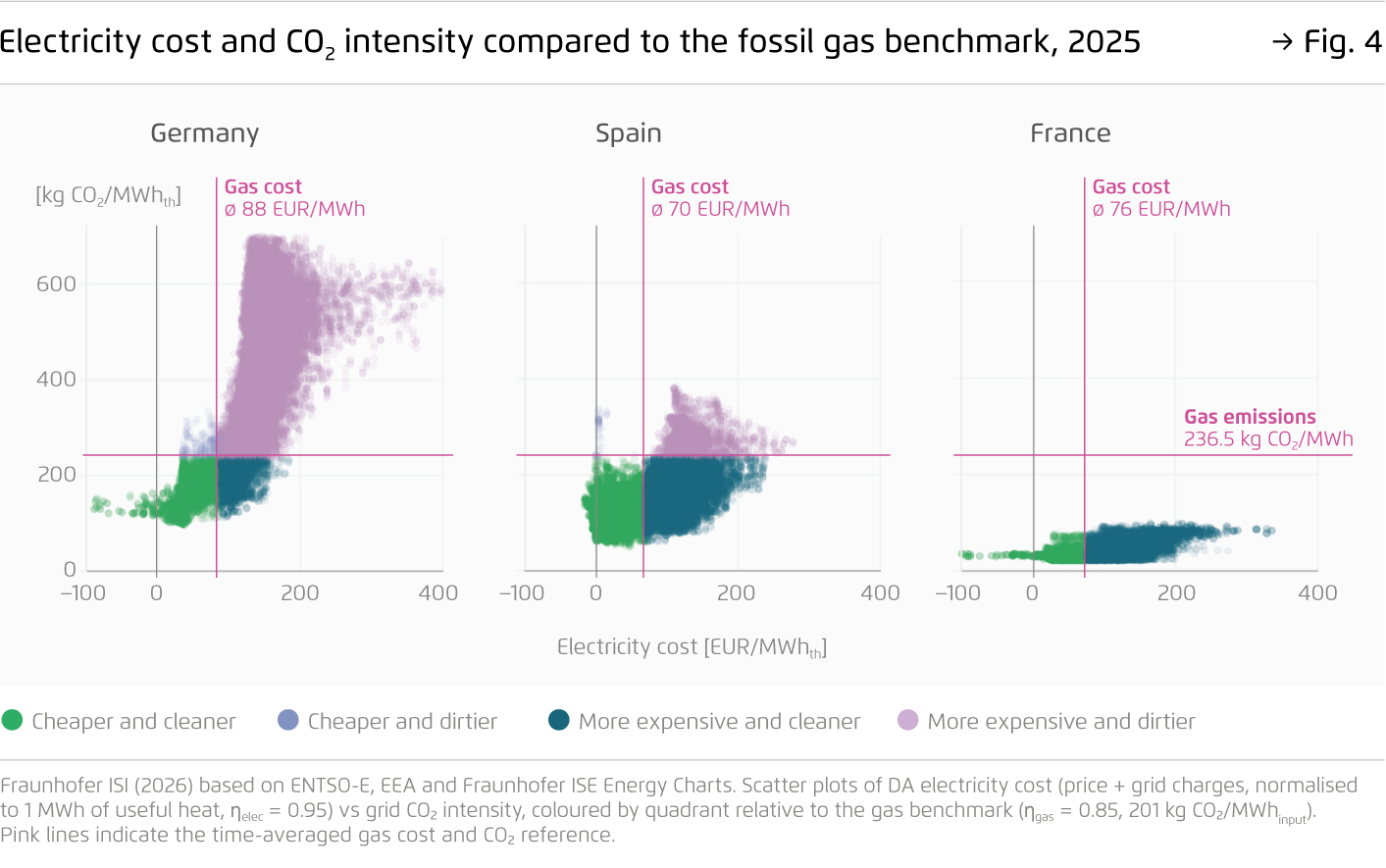
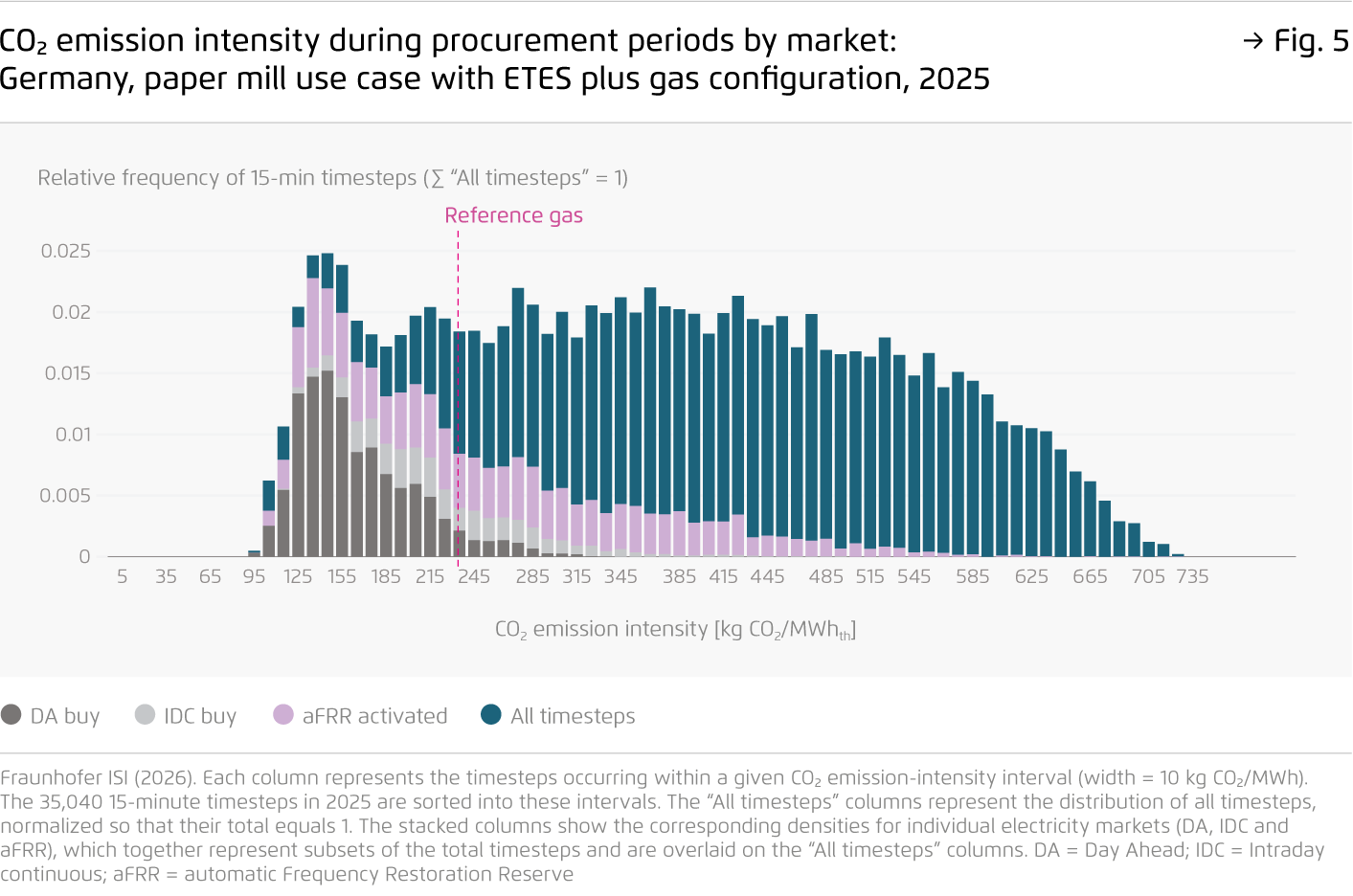
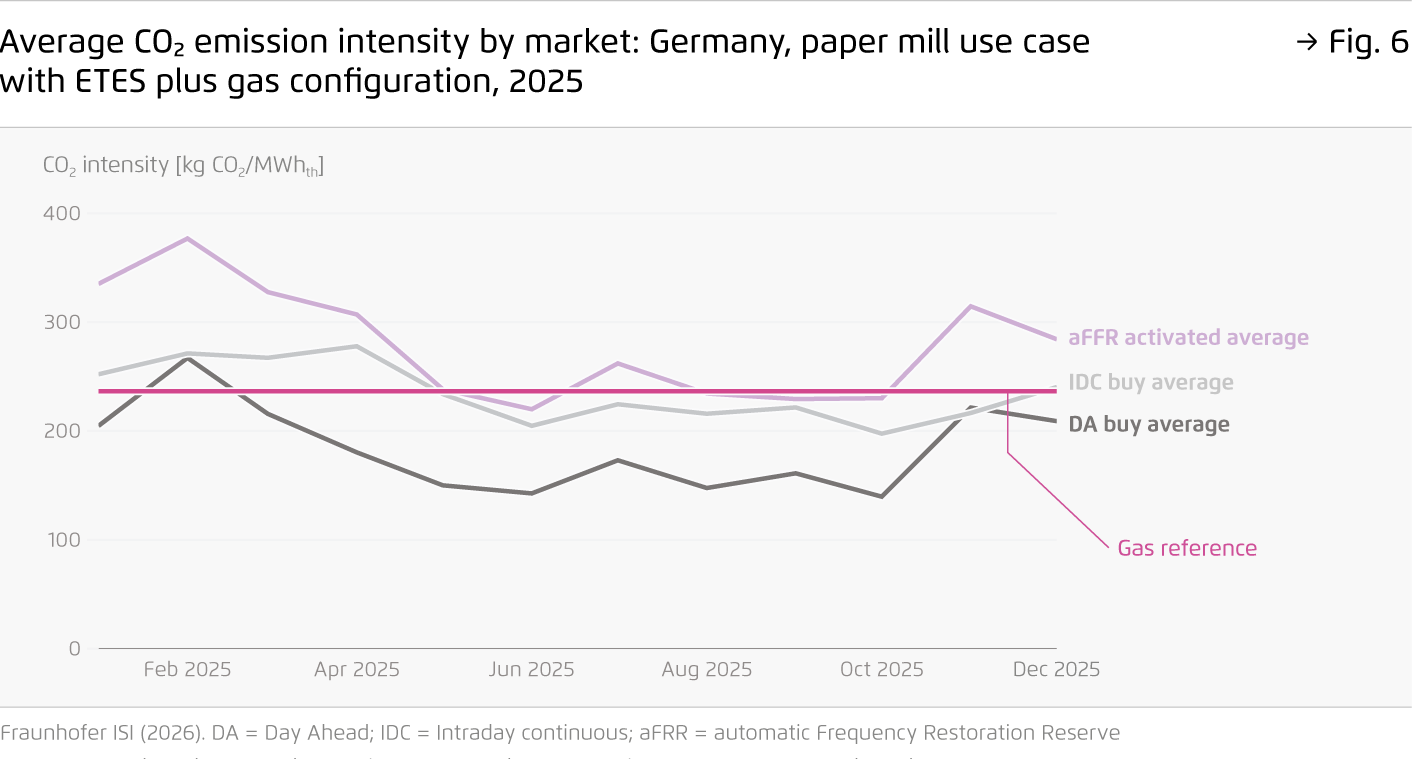
For example, it can help diminish emissions from industrial heat by 65–82 percent in France and 30–41 percent in Spain. ETES also helps to balance the overall storage mix: By using readily available, domestic materials, it offers a reliable technology that is largely independent of contested minerals and clean tech supply chains.
-
Unlocking ETES’s full potential requires updated rules that reflect today’s energy needs.
When implementing the EU Electrification Action Plan, policy makers should simplify grid connections and reward industries that use energy flexibly, so that industrial storage can help ease grid stress. Alongside predictable carbon price and access to flexibility markets, these measures can unlock investments in a secure and cost-effective energy system.
Unlocking industrial flexibility with thermal storage
Evidence from EU countries

Summary
This study examines the technical potential and business case of electro-thermal energy storage (ETES) for industrial process heating. ETES combines electric heating with thermal storage, enabling industries to use electricity during low-price periods and meet heat demand later. The analysis covers Germany, France, and Spain across three industrial applications. Results show that hybrid ETES systems combining electric storage with existing systems offer the strongest short-term business case, achieving high levels of electrification (53–76 percent) and substantial reductions in heat costs (30–70 percent). Environmental benefits depend on electricity’s carbon intensity, with the largest current emissions reductions in France and Spain. Wider deployment requires flexible electricity tariffs, improved grid access, and access to balancing markets.
Key findings
Bibliographical data
Downloads
-
Study
pdf 4 MB
Unlocking industrial flexibility with thermal storage
Evidence from EU countries
All figures in this publication
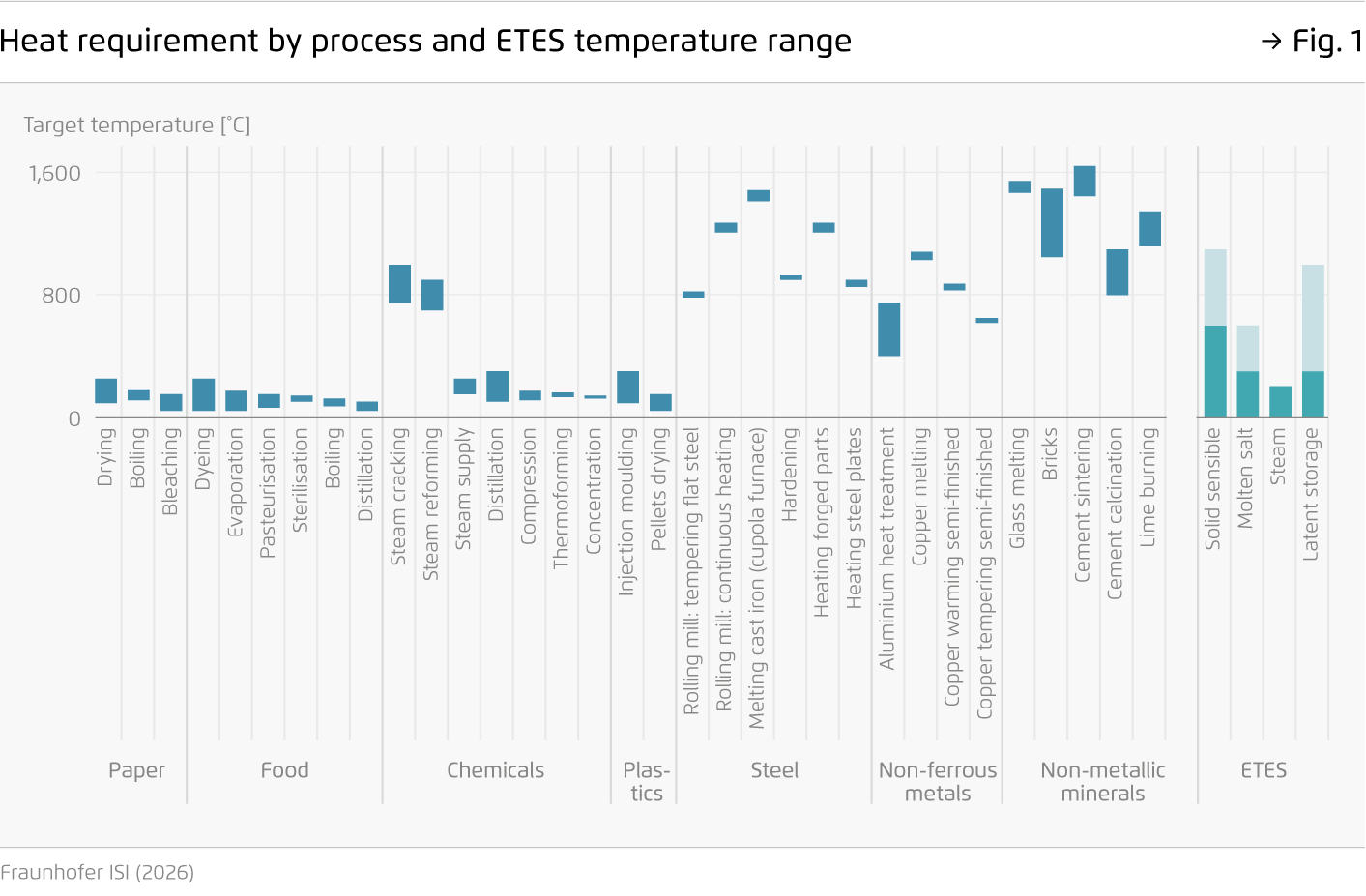
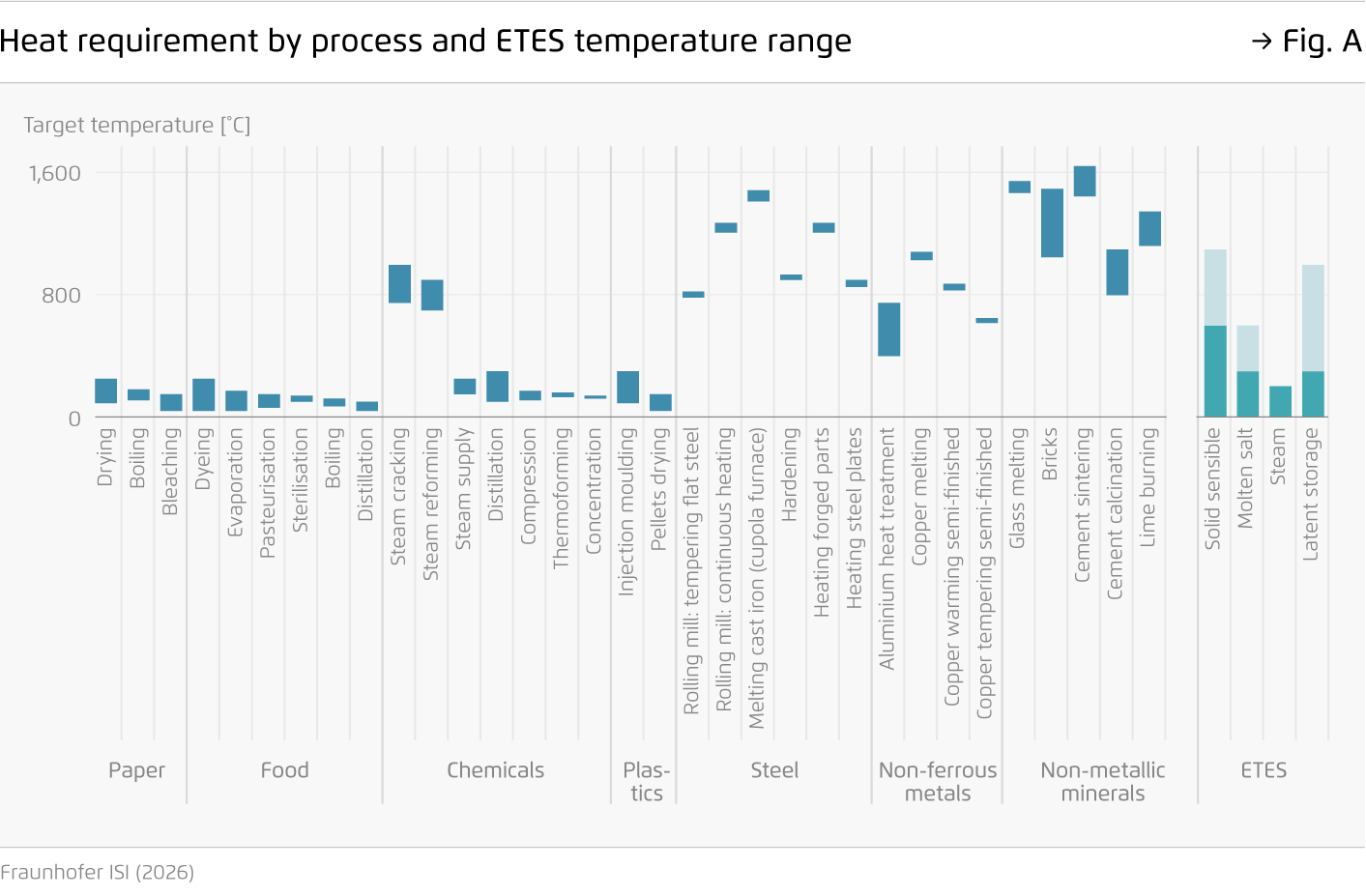
Heat requirement by process and ETES temperature range
Figure A from Unlocking industrial flexibility with thermal storage on page 7
Share:

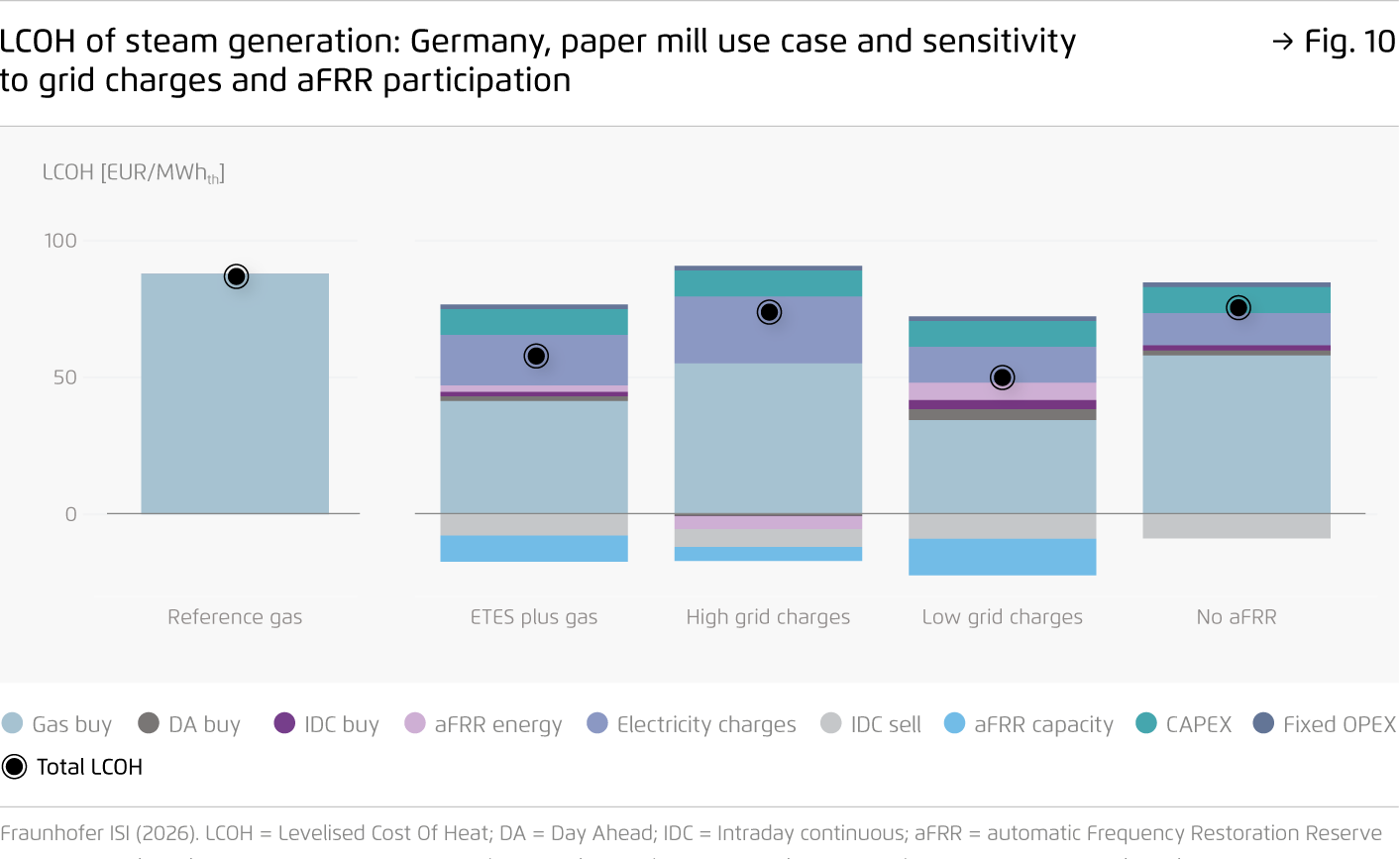
LCOH for steam generation, paper mill use case
Figure B from Unlocking industrial flexibility with thermal storage on page 10
Share: