New Business Opportunity Analyser: assessing the cost and climate implications of low-carbon hydrogen
Real emission cuts from low-carbon hydrogen require addressing the entire value chain. A new Agora tool maps fossil gas-based hydrogen with carbon capture and storage to guide informed policy and investment choices.
Renewable hydrogen is crucial for decarbonising heavy industries like steel and chemicals. However, a slower-than-expected rollout has sparked growing interest in low-carbon alternatives. Fossil-based hydrogen combined with carbon capture and storage (CCS), often referred to as “blue” hydrogen, is frequently discussed as a transition pathway since investment costs are expected to be lower than for renewable hydrogen projects. According to the IEA, recent data on Final Investment Decisions (FID) indicates that planned projects involving fossil fuels with CCS slated for 2030 more than doubled in the last year. Yet, competitiveness for this pathway remains highly dependent on volatile fossil gas prices.
What is lacking in this debate is a thorough examination of the actual climate implications of low-carbon hydrogen. Beyond cost considerations, the real potential for emission reductions must be evaluated. This is where the new Business Opportunity Analyser provides clarity: the tool now expands its scope beyond purely renewable pathways by including fossil gas-based production routes with CCS. This enables a comprehensive comparison of production and export costs and greenhouse gas emissions across different production pathways and geographies. By integrating country-specific upstream emission data, the tool assists policymakers and industry leaders in assessing the economic and climate impact of different fossil gas-based products, including iron, ammonia, methanol and synthetic fuels.
High CCS capture rates alone are insufficient to ensure a low-carbon profile
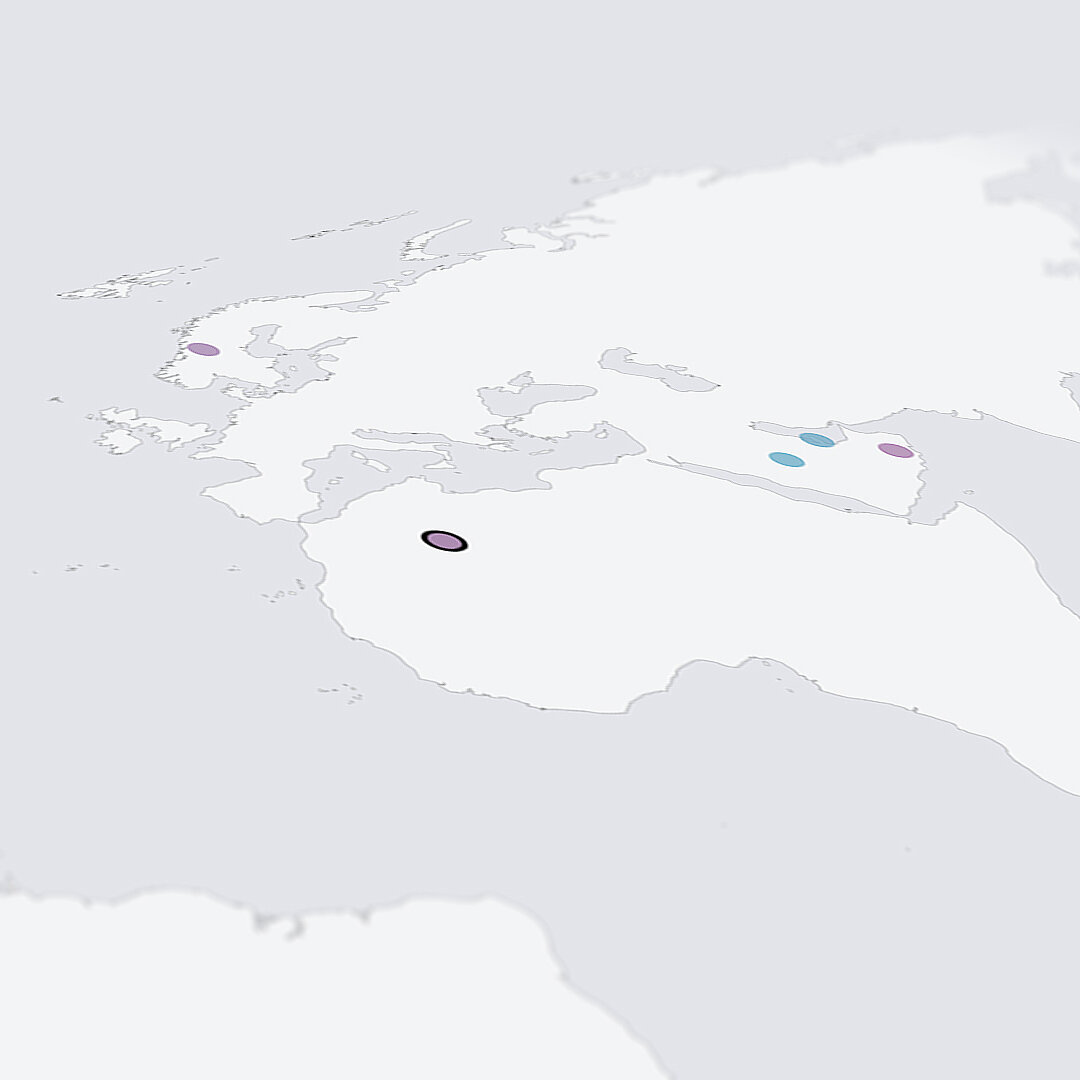
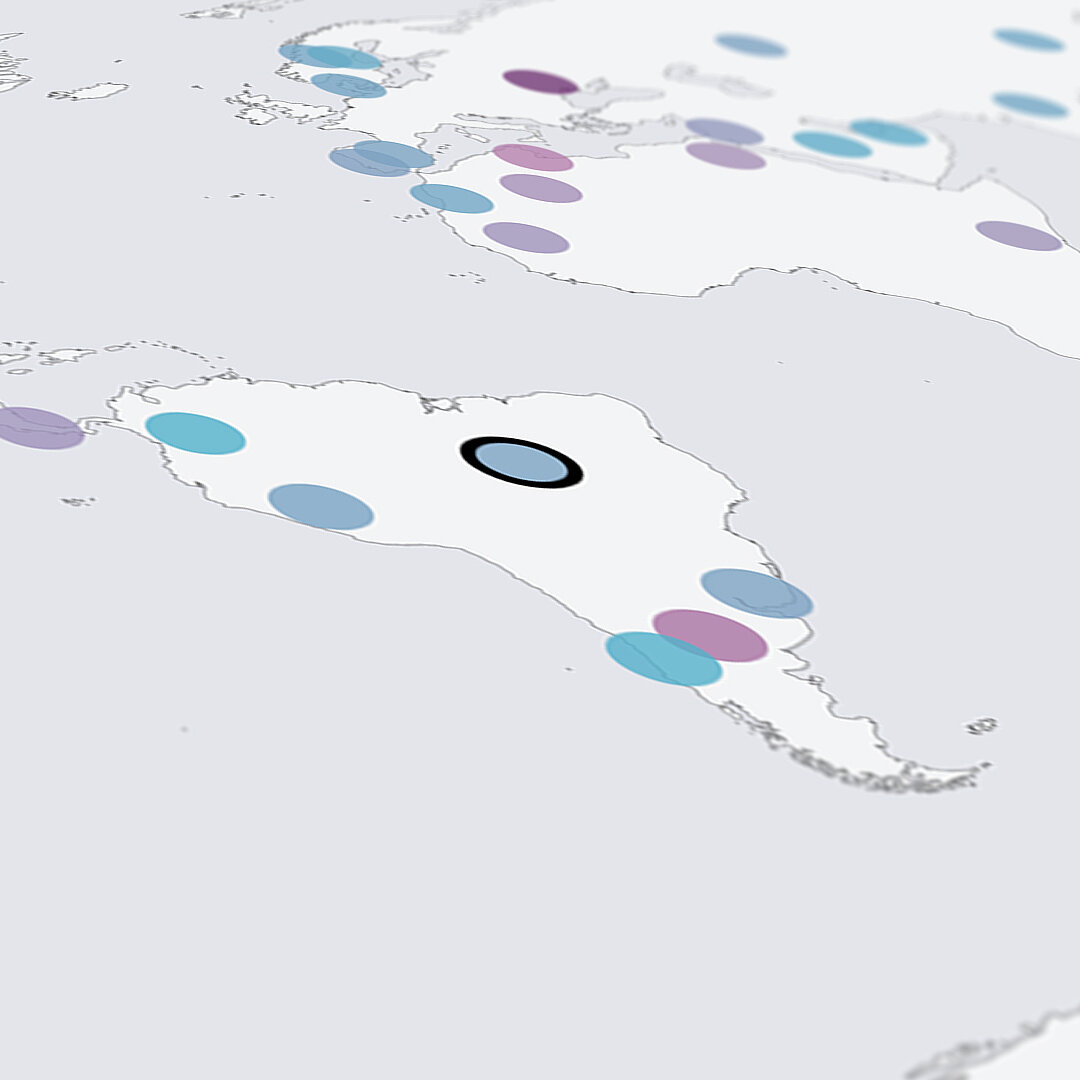
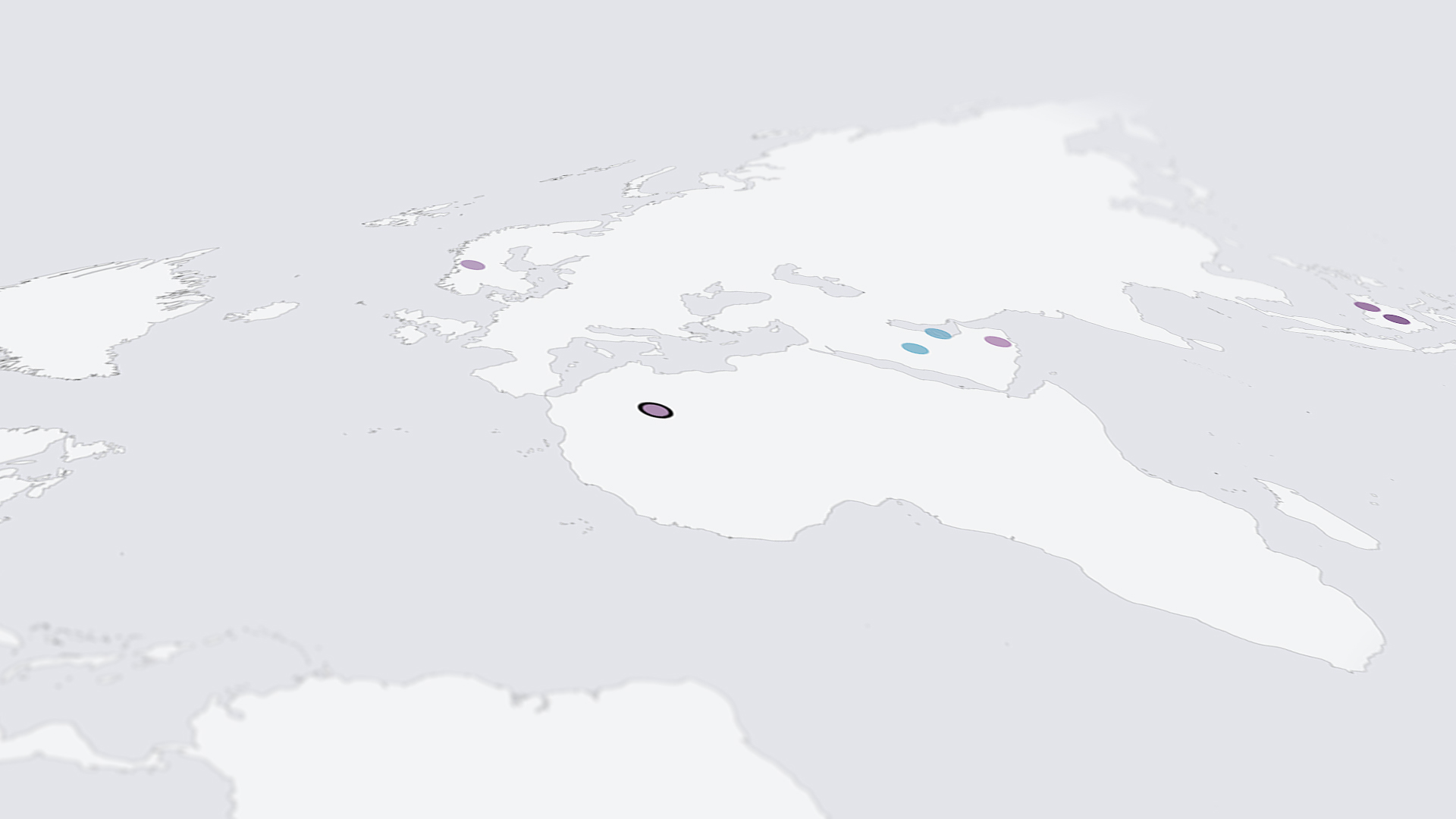
The new tool demonstrates a critical insight: producing an identical product can result in a significantly different carbon footprint depending on the source and supplier country. To illustrate: producing hydrogen with CCS and fossil gas from Norway results in a carbon footprint of 18 grams of CO2 per unit of energy (gCO2e/MJ). Due to high upstream emissions, this figure climbs to 30 gCO2e/MJ for gas imports from Malaysia and peaks at 41 gCO2e/MJ for Algerian gas – nearly twice the footprint of Saudi Arabia. Crucially, high CCS capture rates alone are often insufficient to ensure a low-carbon profile, as high upstream methane and CO2 leakage can undermine climate benefits. Consequently, the environmental performance of fossil gas-based hydrogen remains entirely dependent on preventing emissions along the full value chain. Driven by stricter certifications and policies favouring low-carbon hydrogen, these findings indicate that future markets will move beyond mere price competition. Verified carbon intensity will increasingly emerge as a key competitive advantage.
About the Business Opportunity Analyser
First launched in 2024, the Business Opportunity Analyser, developed in collaboration with the Oeko-Institute, is an interactive web tool designed to compare the costs of hydrogen and hydrogen-based products such as ammonia or methanol across different countries and supply chains. It provides a detailed cost breakdown along the value chain while allowing users to manually adjust variables to accommodate local inputs and specific project data.